
Concrete driveway building in Liberal KS - a slab built for what you park on it
If your old driveway is cracked, sinking or holding water, we'll build a new one on a packed base, sloped to drain, with planned joints.
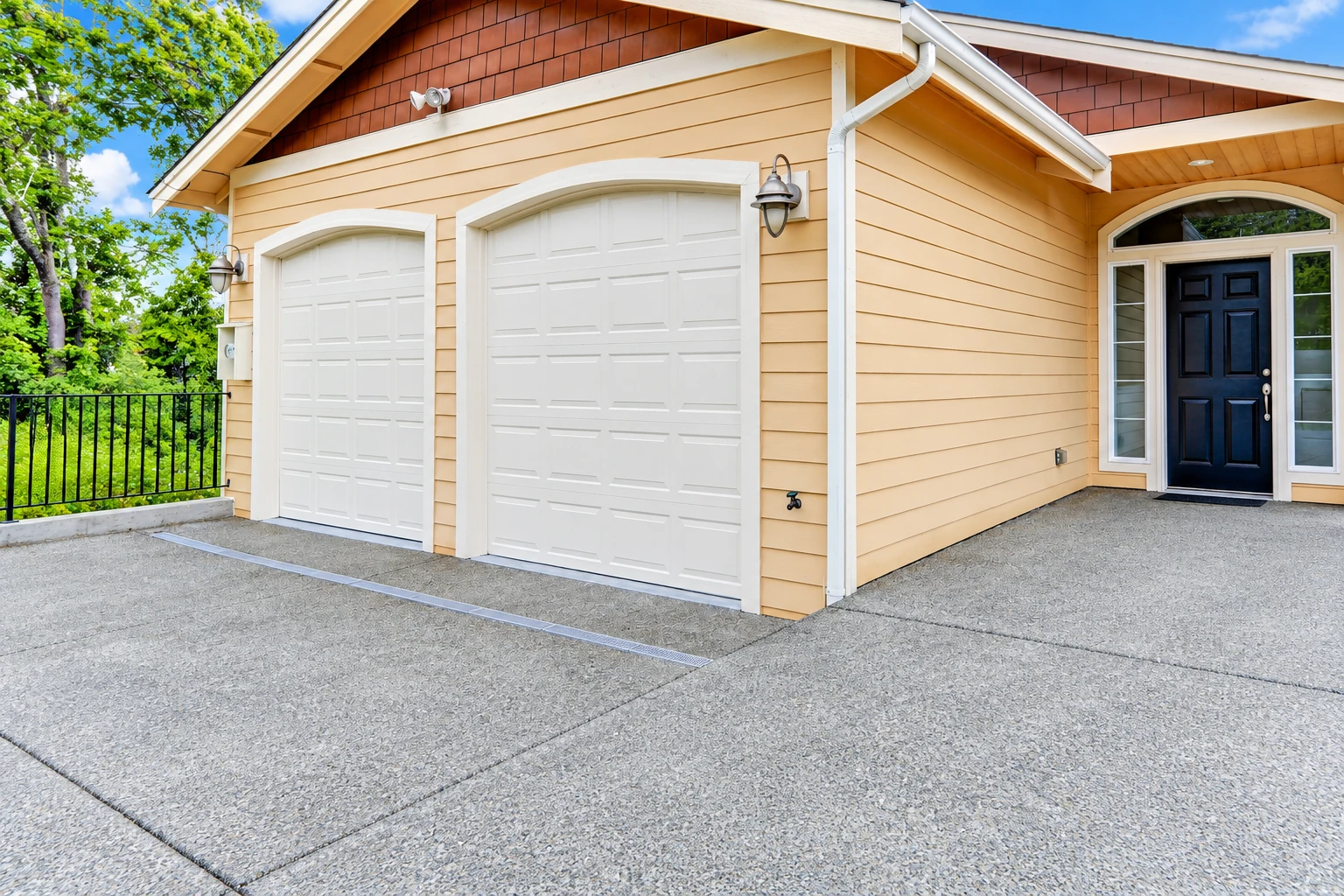
- Licensed and fully insured.
- Free estimates at your property.
- Replies within 1 business day.
What does it take to build a concrete driveway that lasts in Liberal?
Concrete driveway building in Liberal starts below the surface. We dig out the old drive or the bare ground, pack down a firm base, and set forms to a slope so rain runs off instead of pooling. Then we pour a slab thick enough for what you park on it. After the pour, you'll stay off it for some days while it cures, slowly hardening to full strength, and a little longer before you drive on it.
Most people call me when the old driveway has cracked through, sunk at one end or started sending water toward the garage, and they want to know what a new one costs and how long they'll be parking on the street. The price mostly moves with the size of the drive, how much old concrete has to come out, how thick the slab needs to be and the finish you pick. The schedule depends on the weather around pour day, the curing time and any city paperwork. The written estimate I send you spells out the work, the thickness and the mix for your driveway.
How do you know it's time for a new driveway?
Cracks running across the slab
A crack that widens each season, or pieces breaking loose along it, usually means the base underneath has moved or the slab was never given joints to crack along. Patching buys a little time, but once water gets down through the cracks it softens the base and the breakup speeds up.
One end sinking or tipping
When a section drops below the garage floor or the sidewalk, the dirt under it was likely raked level instead of dug out and packed, so it settled. A lip like that catches tires and snow shovels, and the low spot keeps collecting water that makes it sink further.
Water pooling near the garage
Puddles that sit after a rain, or water that runs back toward the garage door, mean the slab was poured without enough fall away from the house. Left alone, that water works at the joints, the garage floor and the edge of the foundation every time it rains or freezes.
How we build your concrete driveway
Before I price a driveway, I ask what you'll be parking and driving on it, because a slab for two cars and one for a work truck and a trailer aren't the same job. I write the thickness and the mix into the estimate so you can see what you're getting. On the job, our crew digs out to firm ground, packs the subgrade, the layer of dirt the slab sits on, and sets forms that slope the drive away from your house. We place rebar, steel bars that keep cracked pieces from shifting apart. We pick pour day by watching the wind and sun as well as the heat, because a top that dries too fast can turn weak and dusty later. We give the surface a broom finish, a light texture that keeps tires and feet from slipping when it's wet. Then we cut control joints, shallow cuts that tell the concrete where to crack, and leave the slab to cure. If the budget gets tight, I'd rather keep the money in the base than in the finish. You can't see the base on day one, but it decides whether the slab stays flat.
Many homeowners pour a back slab in the same season as the drive. If you've been thinking about one, our concrete patio construction uses the same base work and the same crew. If plain gray isn't what you want out front, our stamped concrete services can give the drive a pattern and color, and I'll walk you through how that changes the price and the upkeep.
Standard broom-finished driveway
This suits most houses where the drive carries everyday cars, because a broom finish gives good grip and keeps the cost down. It's also the easiest finish to match if you widen the drive later.
Heavier slab for trucks and trailers
If you park a pickup, a camper or a trailer on the drive, we plan a thicker slab with more steel so it carries the weight without breaking at the edges. It takes more concrete, and that's the right place to spend when the load is heavy.
Your driveway estimate, with thickness and mix in writing
We reply to every call and message within one business day and set a time for me to come out to your property. The estimate is free and comes in writing, and you're under no obligation to go ahead.
(620) 482-9704What to know about building a concrete driveway in Liberal
Permits in Liberal go through the city's Building and Code Enforcement Department. Whether a driveway like yours needs one is something we confirm with that office rather than guess. We check what your project needs, take care of the permit when one is required, and tell you what we learn before we set a pour date. Seward County also requires a building permit for each project, and its Planning and Zoning office reviews plans before the permit is issued.
On jobs around Liberal, I see a lot of older driveways that were poured on raked dirt and have settled away from the garage. Plenty of open, windy days also dry fresh concrete faster than people expect. We build for both the same way across Liberal and the cities around it, with a dug-out base and the careful pour-day planning described above.
What happens after you call about a new driveway in Liberal?
Call or send the form
Call (620) 482-9704 or send the form, and we'll set a time for me to come out and look at the driveway. A note about what you park on it helps me plan the visit.
Walk the site together
I ask how you'll use the drive, check the ground, the slope and where the water runs, and then send a written estimate. It lists the thickness, the mix and each part of the work with the reason for it, so you can see where the price comes from.
Paperwork and a pour date
Once you decide to go ahead, we look into the city paperwork and plan the pour around the forecast. If the forecast turns hot or windy, we'll talk with you about moving the date.
Building and cleaning up
I'm on site with our crew from setup through cleanup, so the person who wrote your estimate is there when the drive is built. Before we leave, we tell you when it's safe to walk on the slab and when you can drive on it.
Frequently asked questions
How much does a concrete driveway cost in Kansas, and what changes the price?
A concrete driveway project in Kansas usually costs about $2,600 to $10,000 per job. That's the usual range across the state, not our price. A national cost guide names the finish type, the slab's thickness and the location as the things that move it, which is why two quotes for the same drive can be far apart. Your own figure comes from the written estimate, with each of those choices spelled out.
How do I know how thick my concrete driveway should be?
One concrete supplier's guide gives 4 to 5 inches as the minimum recommended thickness, and only when the ground underneath is ideal and the drive carries passenger vehicles. Softer ground or heavier trucks fall outside that minimum, so it's worth asking any contractor how their thickness fits your ground and what you park. Our estimates put the thickness in writing so you can compare.
What is the best way to make a concrete driveway hold up to freezing and thawing?
Industry guidance for home concrete says adding an air-entraining agent to the mix is an effective way to help concrete resist freezing and thawing. When you compare quotes, ask whether the mix planned for your driveway includes one. A packed base and a slope that sheds water help too, because the less water sits in and under the slab, the less there is to freeze.
Will my new concrete driveway crack like the old one did?
Most concrete driveways get some cracks over time, but a firm base and planned joints decide whether those stay thin lines in the joints or break the slab apart. One supplier's guide sets joint spacing by the slab's thickness and the ground beneath it. The same guide calls for isolation joints, a flexible gap, wherever the drive meets another slab or a structure, such as the garage floor or a sidewalk. Ask any quote where its joints go, and I'm glad to walk you through where ours would be.
When should I seal a new concrete driveway?
A national driveway cost guide advises applying a penetrating sealer 30 days after the pour, then again every 2 to 3 years. A penetrating sealer soaks into the concrete instead of sitting on top as a film, so it won't peel off under tires. If you'd like, I can talk through sealers when we go over your estimate.
Which permit forms does the City of Liberal offer for concrete work?
The city's permit forms include a Concrete Permit Application and a Right of Way Permit Application. The forms are listed on the city's permit applications page, and the city accepts applications through its online portal or by email. As I mentioned above, we check with the city about what your driveway needs and handle the permit when one is required.
Liberal, KS
Schedule a look at your driveway
Have your address, a rough size and the vehicles you'll park on it handy when you call or write, so I can come out already thinking about the right slab for you.